Phillip Zmijewski’s Take: 5 Things to Know About How AI Is Changing EKG Monitoring
An electrocardiogram (ECG or EKG) is a quick test to monitor the heartbeat. EKG results can help diagnose heart attacks and irregular heartbeats, called arrhythmias. Here are some insights that I learned about the expected impact of Artificial intelligence (AI) and EKG monitoring. The good news for EKG technicians is that the next era of EKG monitoring will still depend on human judgment —just in newer, less obvious ways.
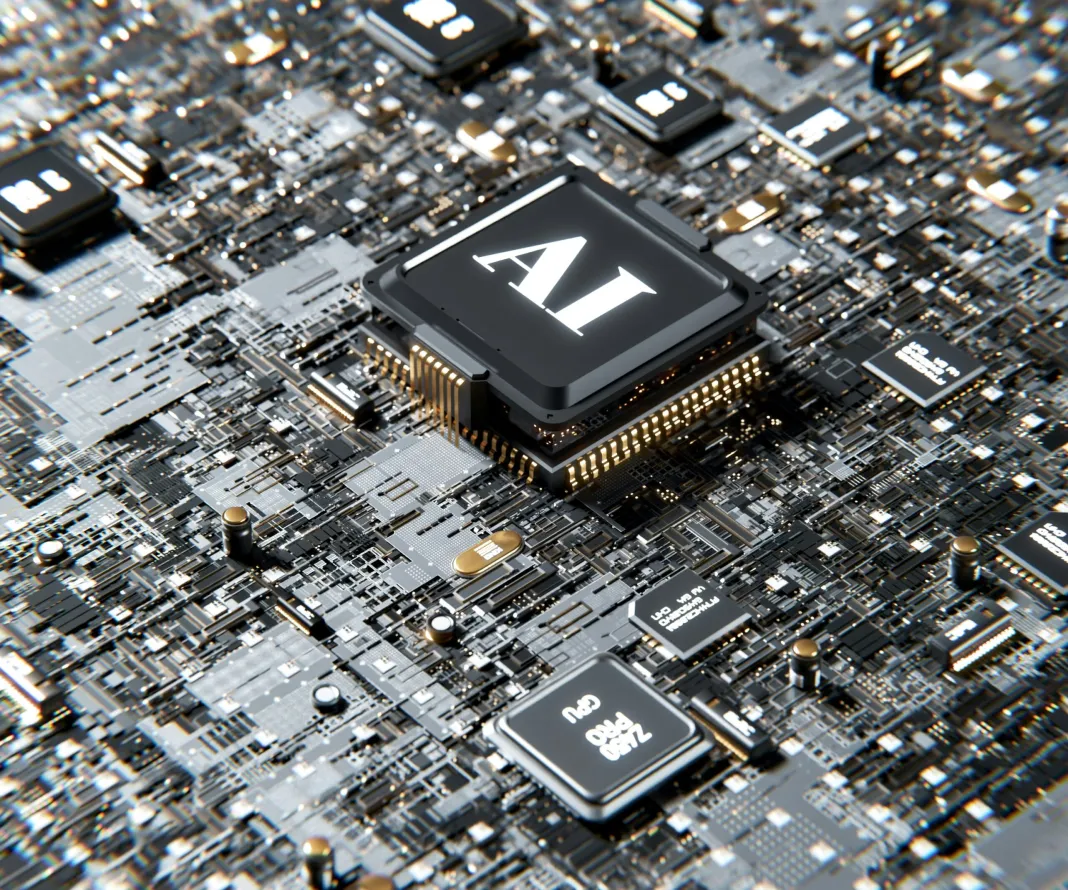
Artificial intelligence is moving quickly into EKG interpretation and telemetry. Hospital systems are deploying tools that flag arrhythmias earlier, surface subtle risk signals, and reduce the flood of non-actionable alarms that has long strained monitoring floors. From the outside, it can look like a straightforward upgrade: smarter software, faster reads, fewer missed events.
On the unit, the shift is more complicated. AI doesn’t replace frontline cardiac monitoring staff. It changes the work they’re responsible for, the decisions they’re expected to make, and the kind of expertise that defines a strong technician. For anyone entering the field now, understanding those changes early can prevent the common mismatch between training expectations and real-world practice.
Below are five grounded takeaways for technicians and students preparing to work in AI-supported EKG environments.
1. AI Sees the Signal, Not the Situation
Advanced tools can identify electrical patterns tied to risk well before they become obvious to the eye. That capability is valuable, but it is also narrow. Algorithms do not notice the loose lead causing artifact, the tremor that distorts a tracing, or the anxious patient whose physiology spikes mid-assessment. They don’t hear the bedside context—a new medication, a post-op complication, a change in oxygenation—that shifts what a rhythm actually means.
In practice, technicians become the bridge between computational detection and clinical reality. The role now requires not just recognizing rhythm, but recognizing when the system’s read doesn’t fit the patient in front of you.
2. The Real Skill Is Knowing When a Flag Matters
Most AI-enabled platforms are easy to operate. The harder part is judgment. New users often fall into one of two extremes: treating every alert as decisive, or dismissing alerts as noise. Neither holds up on a busy floor.
Confidence comes from repetition—seeing the tool perform accurately in routine cases and learning its limits in the exceptions. Over time, technicians develop an internal map of what rises to “act now,” what needs a second look, and what is likely artifact. The technology changes the workflow, but it doesn’t change the need for discernment. If anything, it raises the bar.
3. Alarm Fatigue Can Improve—or Return in a New Form
One promise of AI-assisted monitoring is smarter triage: fewer false alarms and cleaner escalation. In many units, that’s been a real benefit. But if thresholds are set too sensitively, or if a model is rolled out to patient populations it wasn’t built around, alert volume can climb again. When that happens, the old problem returns: people stop trusting the system.
Frontline technicians are usually the first to see these patterns. Their feedback—identifying which alerts cluster, which feel clinically thin, and where the workflow is bending under noise—becomes part of keeping the system safe and usable.
4. Baseline Data Literacy Is Now Part of the Job
Technicians don’t need to be engineers. But they do need a basic understanding of how AI-enabled reads are produced and where they can drift.
Was the model trained on inpatient telemetry or outpatient 12-leads? Is an alert driven by a single spike or a trend across time? Does the system struggle with certain rhythms, certain lead configurations, or certain patient groups? These questions are no longer abstract. They shape escalation decisions.
The best technicians are building a new kind of expertise: rhythm interpretation plus awareness of how the tool interprets rhythm.
5. The Work Becomes More Clinically Visible, Not Less
Automation is often framed as a way to shrink frontline responsibility. In EKG monitoring, the opposite is happening. As AI expands screening and prediction, it produces more downstream judgments: how quickly to escalate, whether a pattern is credible, what to document, and how to communicate uncertainty to the team.
When a system flags something subtle, the technician’s steady verification and calm communication can be the difference between early intervention and wasted time. The technology increases reach, but it makes human reliability more consequential.
A Clearer Path for Future Technicians
AI is extending what the EKG can do—detecting risk earlier, interpreting more signals in real time, and widening access to cardiac screening. But it isn’t simplifying frontline monitoring in the way many people expect. It’s reshaping it.
Technicians who thrive in this shift will be the ones who treat advanced tools as support rather than authority, build trust through lived exposure, stay alert to workflow side-effects, and strengthen data awareness alongside rhythm skill.
The goal for new technicians isn’t to compete with the technology. It’s to become the professional who knows how to use it well—and still catch what it can’t.